Meg Giordano
An article I wrote for the Canadian-American Theological Review, published Dec. 2024 (the article is below the post intro).
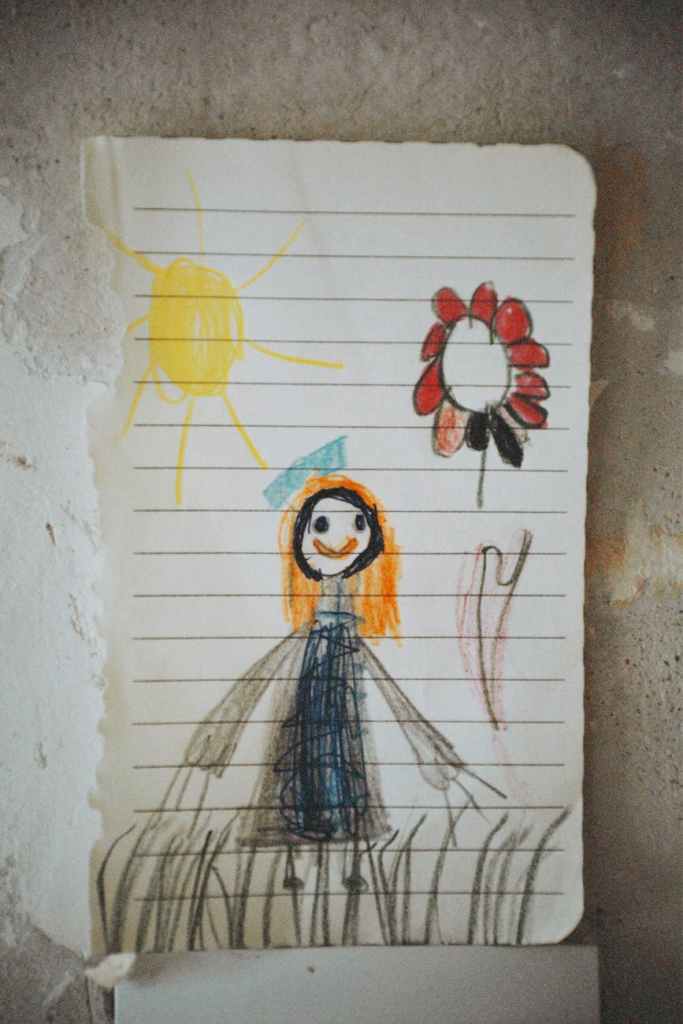
What is the difference between a photograph of a child and a drawing they make for you?
This is the question that hovers in the air when we talk about God’s perfection, and what it means to be God’s creation. Classical theism (which is an important part of what is meant by “historical, orthodox Christianity”) states that one of the aspects of God’s nature is that he is the source of all goodness. As such, it is said, God is perfect: complete, lacking nothing, self-sustaining. This is taken to mean that nothing can be given to God, and (from the other way around) that everything that humans have is from God and is due to his generous goodness.
However, common religious experience would seem to hold that being able to “give something” to God is part of the divine-human relatedness a person comes to expect in a life of faith.
Are these two important commitments at odds with each other? Can we reconcile the classical notion of a perfect God with a commonplace sense of an active relation between God and an individual believer, including the possibility of giving gifts out of love to God? This is the task taken up in this paper. It does address the academic aspects at work (which the reader is free to skim if they wish!), but the question is captured in the image of what a child gives to its parent when they color a picture for them—even though everything the child has is provided by their parents, including the crayons and paper they drew the picture with. What is it that the child is giving to their parent? Are they just giving back what the parent gave them to begin with, or has something meaningful been added?
This is the set of questions addressed in this paper’s examination of divine joy. Because it pushes the bounds a bit theologically, I consider the conversation to occur on the “back porch” of classical theim—that place where we take our messier, untidy activities that might be too much for inside the house. I invite you onto the porch—pull up a deck chair and see what you think.
(The paper is published in the Canadian-American Theological Review: https://cata-catr.com/the-canadian-american-theological-review-catr/, shared here, with my gratitude, by the permission of Dustin Burlet of CATA.)
 Meg Giordano
Leave a comment